Transform your home with expert craftsmanship! From loft conversions and home extensions to roof repairs and plastering, we offer full-scale building and renovation services across London, Berkshire, Slough, Bracknell, and Reading. Whether you're upgrading or expanding – we’ve got you covered.
Book A Free Consultation

Cement Render or Plaster Walls? 2025 Guide to Internal & External Finishes
Whenever it comes to completing your walls, be it an internal or external area, two names that tend to crop up are cement render and plaster. Each of the two have different advantages, yet the selection between the two might be overwhelming when you are not sure what to consider. Being experts in construction and wall finishes, the Kromrych Builders are present to present you with a detailed guide of what to do in 2025 to clarify whether cement render or plaster would be the most appropriate selection in your project.
Cement render is a bed of cement, sand and water blended to provide an overall surface to a wall, which leaves it smooth, strong and weatherproof. It is primarily applied to external walls, although may also be applied to interior walls, particularly in places where excessive humidity is experienced, such as a bathroom or kitchen. Cement render has a reputation of surviving extreme climatic conditions and this makes it the perfect choice in the Australian homes where the front is open to the elements.
Plaster, however, usually is a more decorative, and softer surface created by a blend of water, lime, gypsum, and sand. Its main application is seen on interior walls to produce a smooth surface which is ideal in painting. Plaster can be dated back centuries in one form or another and although it does not stick as well as cement render in an outdoor setting it leaves a cleaner, smoother and more polished finish.
Plastering is also a time-consuming and more sensitive activity than rendering and this is why it is mostly preferred where there are indoor space that does not have the same wear and tear like the exterior walls.
Knowing the difference in cement render and plaster is important to select the best one to use in your house. The major differences are as follows:
Cement Render: This is very strong and also it is weather resistant. It suits exterior walls which are in the rain, wind and sun.
Plaster: This one is lighter and prone to cracking, particularly when it is subjected to moisture. It is most appropriate in the interior walls not subjected to the environment.
Cement Render: Cement render is usually coarse as opposed to plaster. Although it can be smoothed out, it tends to be rougher.
Plaster: This has a smooth and polished look and therefore ideal in interior spaces where good looks matter.
Cement Render: Cement type has minimum maintenance. It is simple to clean and not affected easily by environmental factors.
Plaster: Plastering has greater care and maintenance needs particularly in places that are likely to be moist because it can crack and absorb water.
Cement Render: This applies in layers and is comparatively faster to put into place. It can be used on new and renovation work.
Plaster: It is a more time-consuming process that is applied in thinner layers. It is ideal to provide finishes and ornamentation details.
Cement Render: This is usually cheaper since it is fast to apply and easy to use materials.
Plaster: Is more costly particularly on luxury finishes or fussy designs.
Others wishing to render a wall, be it an exterior or interior finish, follow the following step by step guide:
Outdoor render plaster is purposely used to render outdoors. In contrast with the traditional plaster, which could not be used on exterior walls as it is susceptible to weather factors, exterior render plaster is designed to resist the forces. It normally contains additives that can make it withstand moisture and cracking to provide a durable finish.
In external render plaster, one should take into consideration the types of products that are UV-resistant and able to resist extreme changes in temperatures. In the case of Australian homes, the render is ideal in the coastal areas since it can take salty air and not rotten.
In choosing between plastering and render of your inside walls, take into consideration the above:
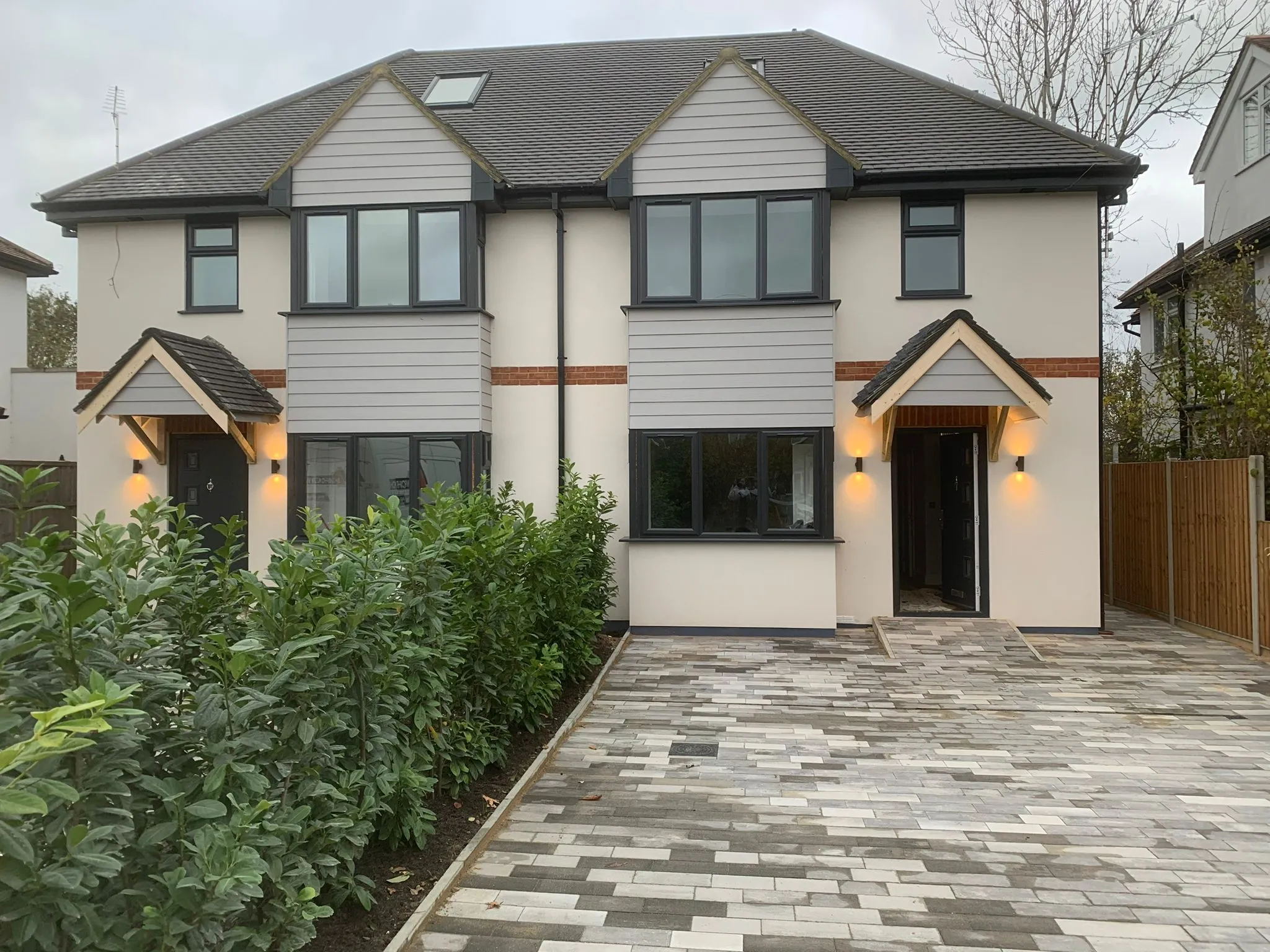
External walls are the most common construction of cement render because it is weather resistant and strong. It is particularly advantageous to places of residence in coastal or extreme climatic regions. New homes normally have cement render because it gives a good foundation on which other paint finishes or decorative covers can be applied.
Cement render offers a smooth appearance, which can beautify the appearance of the property when applied to the exterior of the homes with bare brick or blockwork. Also cement render acts as a great insulator to induce temperatures within the house, whenever the seasons change; it keeps the house cold during the summers and warm during the winter.
In the case of internal spaces, smoothing with plastering is the most preferred choice with the aim of attaining a smooth and polished finish. Plaster is more aesthetically flexible, and it is capable of producing personalized textures and finishes that cannot be offered by simply.
Plastering is the best option in rooms that have to be done with a more delicate touch, and this case includes bedrooms or formal living rooms. It also works well when you desire such ornamental features as crown molding or detailed wall patterns.
At Kromrych Builders, plastering and rendering services and we realize that the right finish must be selected when it comes to your home. We have a team of experts who can help in guiding you through the decision-making process whether you want to update your internal or external walls.
Being one of the oldest companies with experience in the business, Kromrych Builders also offers quality plastering and rendering services that follow your needs. The quality of our work coupled with our focus on attention to details and customer satisfaction guarantees that not only your walls will appear beautiful, but also will they withstand the test of time.
Whether you want to use cement render or plaster walls is a matter of your needs. Cement render is the obvious choice when it comes to external finishes capable of withstanding the elements. Plaster is to be used in internal spaces that need a smooth refined finish. We hope to make you the best decision when it comes to your home in 2025 and beyond, whichever option you choose Kromrych Builders is there to assist you.
To get the best advice and professional services, please call Kromrych Builders today and allow us to make your dream come true.
Ready to bring your home vision to life? Our experienced team delivers top-quality construction, repairs, and refurbishments in London, Berkshire, Slough, Bracknell, and Reading - on time and within budget. Let’s turn your ideas into reality today!
Book A Free Consultation