
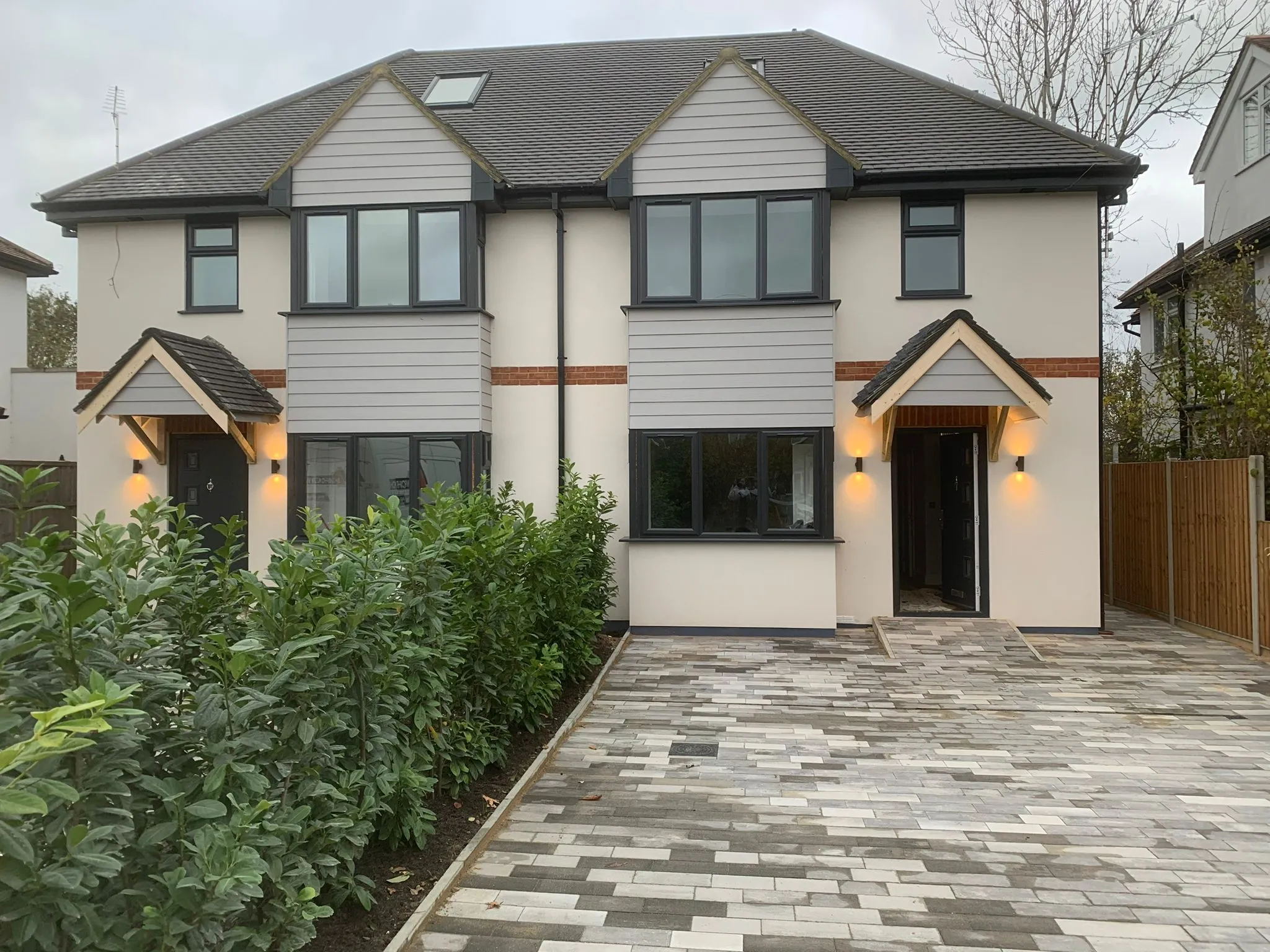
Transform your home with expert craftsmanship! From loft conversions and home extensions to roof repairs and plastering, we offer full-scale building and renovation services across London, Berkshire, Slough, Bracknell, and Reading. Whether you're upgrading or expanding – we’ve got you covered.
Book A Free Consultation
How a Lean-to Extension Can Transform Your Home on a Budget
If you're looking to add more space to your home without the cost and hassle of a full-scale build, a lean-to extension could be exactly what you need. It's one of the most practical and affordable ways to expand your living space. Whether you want a bigger kitchen, a sunroom, a home office, or just some extra breathing room. More and more UK homeowners are choosing this option because it delivers real results without breaking the bank. In this guide, we'll walk you through everything you need to know, from what it is to how much it costs, so you can make a confident decision.
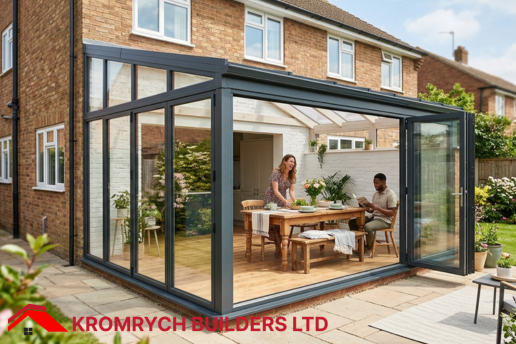
A lean-to extension is a single-storey structure built against an existing outer wall of your home. Its roof slopes downward and away from the house, which is exactly where the lean-to name comes from.
It's a straightforward design, usually square or rectangular, and that simplicity is one of its biggest strengths. A simpler design reduces construction time, material usage, and overall costs.
Unlike a full rear extension or a two-storey build, a lean-to is designed to keep things simple. It doesn't require major structural changes to your existing home. In most cases, you can connect the new space by converting an existing window into a doorway or reusing an existing external door, avoiding costly internal work altogether.
Traditional extensions can cost anywhere from £1,900 to over £3,500 per square metre. A lean-to extension, by comparison, typically costs £1,200 to £1,900 per square metre, making it one of the most budget-friendly ways to add space.
A lean-to extension can serve many purposes, depending on what your home requires:
A bright and airy sunroom or garden room
An extended kitchen or open-plan dining area
A home office or study space
A utility room or a downstairs bathroom
A playroom or hobby space
Its versatility is part of what makes it such a popular choice for homeowners across the UK.
When you're trying to make the most of your home without spending a fortune, a lean-to extension makes a lot of sense. It's the kind of project where you can get strong results without unnecessary spending.
Here's a simple breakdown of how lean-to extensions compare in terms of cost:
|
Extension Type |
Estimated Cost per m² |
|
Lean To Extension |
£1,200 – £1,900 |
|
Standard Rear Extension |
£1,900 – £3,500 |
|
Two-Storey Extension |
£2,500 – £4,000+ |
For a typical lean-to of around 15–20 square metres, you're looking at a total project cost of roughly £25,000-£40,000, depending on size, materials, and location. In London, labour costs can run 10–25% higher than the national average, so it's always worth getting local quotes.
Absolutely. A well-built lean-to extension not only gives you the extra space you need, but it can also add genuine value to your property. Even a modest, well-designed extension can make a home feel significantly more liveable, and that matters both for your quality of life and your home's appeal on the market.
Before you get started, a little planning goes a long way. Getting this right from the beginning saves you time, money, and stress down the line.
In many cases, a lean-to extension falls under Permitted Development Rights, which means you may not need to apply for full planning permission. This is one of the biggest time and cost savings compared to more complex builds.
However, there are conditions to meet. For example:
A single-storey extension on a semi-detached home must not extend more than 3 metres beyond the rear wall
On a detached property, the limit is 4 metres
The extension must not cover more than 50% of the land surrounding the original house
If your home is in a conservation area or is a listed building, different rules apply. Always check with your local planning authority before starting work, it's a simple step that protects you from costly mistakes later.
A few things worth thinking through early on:
Temperature control: A lean-to with large glass panels can get warm in summer and cold in winter. Planning for underfloor heating and proper ventilation from the start will save you headaches later. Thermostatically controlled roof vents with heat and rain sensors are a smart, affordable solution.
Natural light and blinds: While glass creates a beautiful, airy feel, it's worth budgeting for blinds too, especially if the space will be used for work or watching TV.
Electrical planning: Think about sockets, lighting, and heating requirements early, so your electrician can plan efficiently and keep labour costs down.
This is where things get exciting. A lean-to extension isn't just extra space; it genuinely changes how your home feels and functions.
Even a modest lean-to extension completely changes the way you use your home. A cramped kitchen becomes a proper kitchen-diner. A dark corner of the house gets flooded with natural light. A family with no room to breathe suddenly has a dedicated space for work, play, or relaxation.
The clever use of glass, whether in the roof, walls, or both, creates a seamless connection between indoors and outdoors. This is one of the most appealing features of a lean-to and one of the reasons it works so well as a sunroom or garden room extension.
A well-designed lean-to extension adds real, measurable value to your property. Buyers respond well to homes that offer functional, well-finished extra space, and a quality extension signals that the home has been looked after.
If you're working with experienced extension builders in London or elsewhere in the UK, they'll be able to advise you on the finishes and designs that offer the best return on investment for your area.
One of the most underrated benefits of a lean-to is how much natural light it brings into a home. Large glazed panels, roof lights, and open-plan layouts can completely transform even a previously dark and uninspiring part of your house.
With thoughtful design, your lean-to can genuinely feel like the brightest, most welcoming room in your home.
Understanding costs upfront helps you plan properly and avoid surprises. Here's what to expect.
Typical Cost Ranges (UK, 2026)
Small lean to (up to 15m²): £18,000 – £28,500
Medium lean to (15–25m²): £28,500 – £47,500
Larger lean to (25m²+): £47,500 and above
These are general estimates. Your final cost will depend on several factors, and it's always worth getting at least three detailed quotes from trusted home addition contractors before committing.
Keep the design single-storey and rectangular
Use the existing door or window opening where possible to avoid structural work inside the house
Choose a flat or mono-pitch roof rather than a pitched one; it uses fewer materials and is quicker to build
Avoid adding new bathrooms or kitchens to the extension where possible
Use standard, locally available materials and methods rather than specialist or imported products
Work with a smaller local builder who has lower overheads, just be aware that this may mean a longer build time
For the structural work, foundations, roofing, electrical, and plumbing, always hire qualified professionals. Cutting corners here isn't worth the risk. Poor workmanship can cost far more to fix than it saved in the first place, and it can affect your insurance, your property value, and most importantly, your safety.
Working with experienced extension builders in London or trusted building refurbishment specialists ensures the job is done to a standard that will stand the test of time.
At Kromrych Builders, for example, the team brings expertise as new build contractors and custom home builders, ensuring that even a small extension receives the same precision as a full-scale construction project.
If you need more space, want to improve how your home functions, and want to do it without overspending, a lean-to extension is well worth serious consideration. It's one of the most practical and affordable options available to UK homeowners, and when it's done well, the results can be genuinely transformative.
The key is to plan carefully, choose your materials wisely, and work with builders who know what they're doing. Whether you're in London or elsewhere in the UK, getting the best builders in London behind your project makes all the difference.
If you're thinking about a lean-to extension and want expert advice, the team at Kromrych Builders is ready to help. From initial planning through to the final finish, they offer reliable, professional service with a focus on quality and value. Get in touch today to discuss your project and take the first step towards the home you've been planning.
Yes. A well-built lean-to extension adds usable living space, which is one of the key factors buyers look for. The actual increase in value depends on your location and the quality of the finish, but most extensions offer a good return on investment.
A straightforward lean-to typically takes between 6 and 12 weeks to complete, depending on its size, the complexity of the design, and the availability of your builder. Planning and material sourcing can add a few weeks before work begins on-site.
Not always. Many lean-to extensions fall under Permitted Development Rights and don't require a formal planning application. However, there are size limits and conditions, and different rules apply in conservation areas or for listed buildings. Always check with your local planning authority first.
A simple, single-storey rectangular structure with a flat or mono-pitch roof and uPVC framing is generally the most affordable option. Keeping the design straightforward and avoiding complex internal work helps keep costs down significantly.
Absolutely. A lean-to makes an excellent home office. With proper insulation, underfloor heating, and good ventilation, it can be a comfortable and practical workspace all year round, far more pleasant than working from a spare bedroom or a corner of the kitchen.
Ready to bring your home vision to life? Our experienced team delivers top-quality construction, repairs, and refurbishments in London, Berkshire, Slough, Bracknell, and Reading - on time and within budget. Let’s turn your ideas into reality today!
Book A Free Consultation