Transform your home with expert craftsmanship! From loft conversions and home extensions to roof repairs and plastering, we offer full-scale building and renovation services across London, Berkshire, Slough, Bracknell, and Reading. Whether you're upgrading or expanding – we’ve got you covered.
Book A Free Consultation
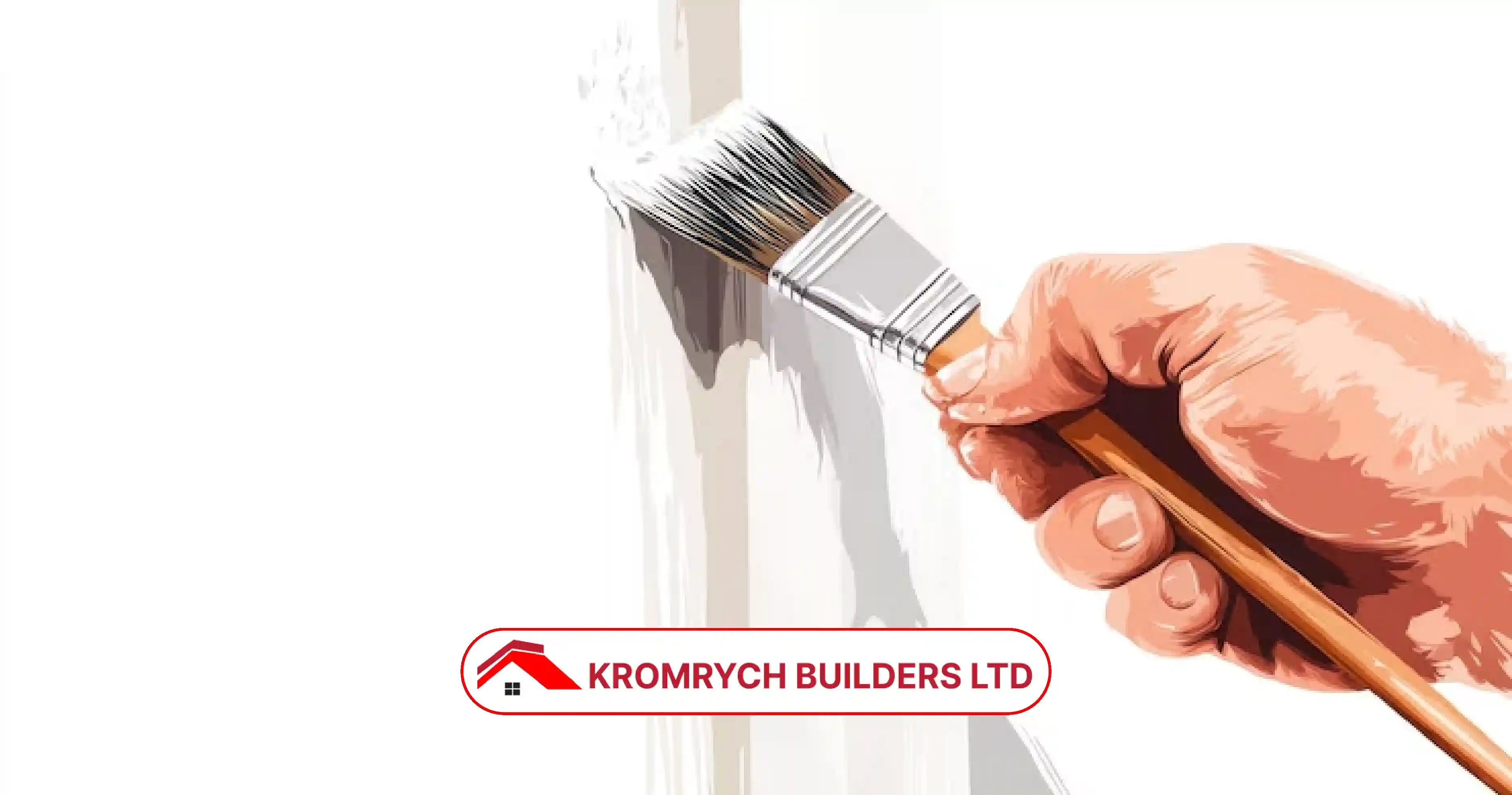
How to paint directly onto plaster?
After exposing your walls to plaster, it is crucial to paint them with a smooth and durable finish. Many individuals think, "Can I paint on plaster?" The brief answer is yes, but you need to take some vital steps and precautions to ensure that your plaster and paint adhere to each other well in the long run. Besides contracting professional plastering and painting services, it is essential to know the accurate methods of doing the task, whether it is done personally or by hiring someone.
We provide professional plastering and painting services at Kromrych Builders, ensuring your walls are well-prepared before the paint coat is applied. Through this article, we will provide you with a guide on painting directly on plaster, a list of tools and materials required, and expert tips to improve your results.
It is essential to understand what plaster is and the interaction that paint has with it before proceeding with the process. A plaster is a type that is applied on walls and ceilings, serving as a smooth and sturdy surface. A problem can occur when the walls, which have just been plastered, are comparatively porous, allowing them to absorb the paint unevenly. This is where it comes in: preparation.
The most crucial aspect of direct painting on plaster is preparing the plaster to be painted upon. At least the tips provided by experts, such as Dr. Dulux of Dulux and those featured on DIY.com, can prove to be all-important if you are planning to take on this project.
The following is a list of needed tools and materials to have a smooth and successful painting experience:
These supplies are available in your nearest hardware store or online. At Kromrych Builders, we also offer professional services for plastering and painting, ensuring that all details are taken care of.
Preparation is crucial in achieving a perfect finish. Before you paint, the following is how you are to make your plaster ready:
The next thing in painting directly on plaster is to apply a primer on new plaster. A primer will be vital because it seals the surface, allowing the paint to be applied smoothly. This is how you can use primer:
Once the primer is dry, you can begin painting on the plaster. Do the following to get an even and long-lasting coat:
Painting plaster is not a very compromising job, though there are a few pitfalls a person can fall into during the process of painting their plaster:
At Kromrych Builders, we have realized that it can be very challenging to achieve a nice plaster and paint finish without the appropriate skill. We have a highly skilled team of experts who provide quality and effective plastering & painting services, ensuring that the surface of your walls appears perfect from the outset.
We have used high-quality materials and the latest technology to ensure your plaster is prepped correctly, primed, and painted. Whether you need an ordinary room painted or are undertaking a larger project, we are here to guide you throughout.
Painting on plaster is not impossible; however, it still requires the proper preparation material and methods to achieve a professional appearance. With the steps indicated above, you can achieve beautiful walls that are full of color, giving fresh plastered walls a new look.
And in case you don't want to do it yourself, Kromrych Builders is at your service to provide top rated plastering and painting services. We will ensure that your walls are properly prepared and finished to a high standard, providing a durable and flawless finish.
Ready to bring your home vision to life? Our experienced team delivers top-quality construction, repairs, and refurbishments in London, Berkshire, Slough, Bracknell, and Reading - on time and within budget. Let’s turn your ideas into reality today!
Book A Free Consultation