Transform your home with expert craftsmanship! From loft conversions and home extensions to roof repairs and plastering, we offer full-scale building and renovation services across London, Berkshire, Slough, Bracknell, and Reading. Whether you're upgrading or expanding – we’ve got you covered.
Book A Free Consultation
Common Loft Conversion Mistakes and How to Avoid Them
A loft conversion is one of the smartest ways to add extra space and increase the value of your home. But without proper planning, even a simple project can turn into a costly and frustrating experience. Many homeowners underestimate structural needs, overlook building regulations, and make design choices that limit the potential of their new loft.
To help you avoid these mistakes, Kromrych Builders shares expert insights from years of hands-on experience delivering successful loft conversions across the UK.
A clear, structured plan is the foundation of every successful loft conversion. Without it, homeowners often overlook building codes, structural limits, and the true cost of the project. This leads to delays, budget overruns, and in some cases, incomplete work.
Work with a professional team that evaluates your goals, property structure, and technical requirements. Create a detailed plan covering design, materials, budget, and timelines.
Kromrych Builders ensures your loft conversion follows all local building regulations and aligns with your long-term needs.
Loft conversions involve more than just flooring and walls. Many homeowners forget to account for insulation upgrades, structural reinforcements, professional fees, and compliance charges. These overlooked expenses can significantly increase the final cost.
Request a full, transparent cost breakdown before work begins. Include estimates for potential structural upgrades and unforeseen issues.
Experienced builders can help you plan a realistic budget with a proper contingency fund.
Building regulations protect your home’s safety, energy efficiency, and structural stability. Ignoring these rules or not obtaining the required permits can result in fines, rework, or rejected approvals.
Common regulatory issues include:
Insufficient headroom
Improper fire safety measures
Poor insulation
Missing approval before construction
Understand your local building rules and ensure all documents are approved before construction.
A knowledgeable contractor like Kromrych Builders will manage the compliance process and streamline approvals. For official guidance, you can review the UK's Building Regulations on the Planning Portal
A loft conversion should feel open, functional, and comfortable. Poor layout planning, incorrect window placement, and inefficient use of headroom often result in wasted space.
Consult an expert designer to optimize every inch of your loft. Consider built-in storage, smart partitions, and layouts that maximize natural light and headroom.
Your loft’s structure must be able to handle new loads, flooring, insulation, and additional fixtures. Skipping a structural assessment can lead to serious issues such as weakened floors, sagging roofs, or long-term damage.
Have a structural engineer inspect your home before starting any home extension or loft project. Reinforcements should be planned from the start to keep your home stable and safe.
A loft conversion should blend seamlessly with your home’s style. Poor design choices such as mismatched materials, awkward window placement, or cramped layouts can reduce both functionality and property value.
Hire an experienced designer who understands your home’s architecture.
Aim for a design that enhances both aesthetics and usability, ensuring your new loft feels like a natural extension of your house.
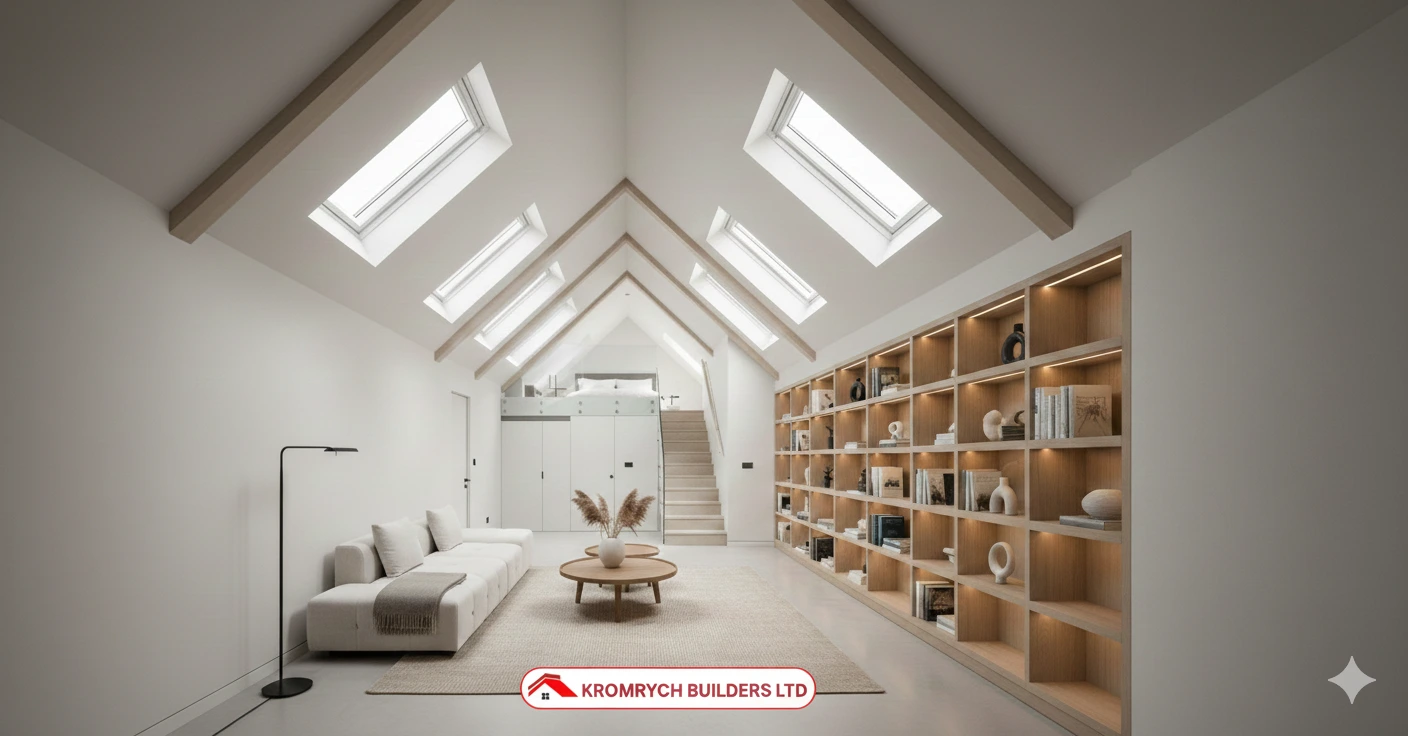
Lofts often feel dark without proper lighting. Small or poorly positioned windows make the space feel cramped instead of bright and inviting.
Incorporate large windows, skylights, or roof lights to maximize natural light. Thoughtful placement can transform the space and reduce your need for artificial lighting.
A loft conversion is a valuable investment when done right. By avoiding these common mistakes and planning your project carefully, you can create a functional, beautiful space that enhances your home and boosts its value.
Kromrych Builders is here to guide you through every step of your loft conversion, from planning and design to compliance and final construction.
Ready to start your loft conversion? Contact Kromrych Builders for expert guidance and a smooth, stress-free experience.
Common mistakes include poor planning, ignoring building regulations, underestimating costs, choosing the wrong design, and not maximizing available space.
A structural engineer or qualified builder can check headroom, roof structure, load-bearing capacity, and access requirements to confirm suitability.
Many loft conversions fall under Permitted Development Rights, but projects affecting the roof shape, dormers facing the street, or conservation areas usually require permission.
Key regulations include fire safety, structural stability, stair access, insulation, soundproofing, and minimum headroom standards.
Costs vary based on design and structure, but most UK loft conversions range between £25,000 to £60,000, depending on complexity and extras.
Most loft conversions take 8–12 weeks, but larger or more complex designs may require extra time for structural adjustments.
Yes, a professionally built loft conversion can increase your property value by up to 20%, especially when adding a bedroom and bathroom.
Dormer conversions and mansard conversions offer the most usable floor area and headroom, making them ideal for larger rooms.
Get a detailed quotation, include a contingency budget, complete a structural survey beforehand, and work with experienced contractors.
Both work, but design-and-build companies like Kromrych Builders provide a full-service approach planning, design, regulations, and construction ensuring fewer mistakes and better coordination.
Ready to bring your home vision to life? Our experienced team delivers top-quality construction, repairs, and refurbishments in London, Berkshire, Slough, Bracknell, and Reading - on time and within budget. Let’s turn your ideas into reality today!
Book A Free Consultation